Why Containment Is Critical for Large-Scale Mold Remediation in Rockledge
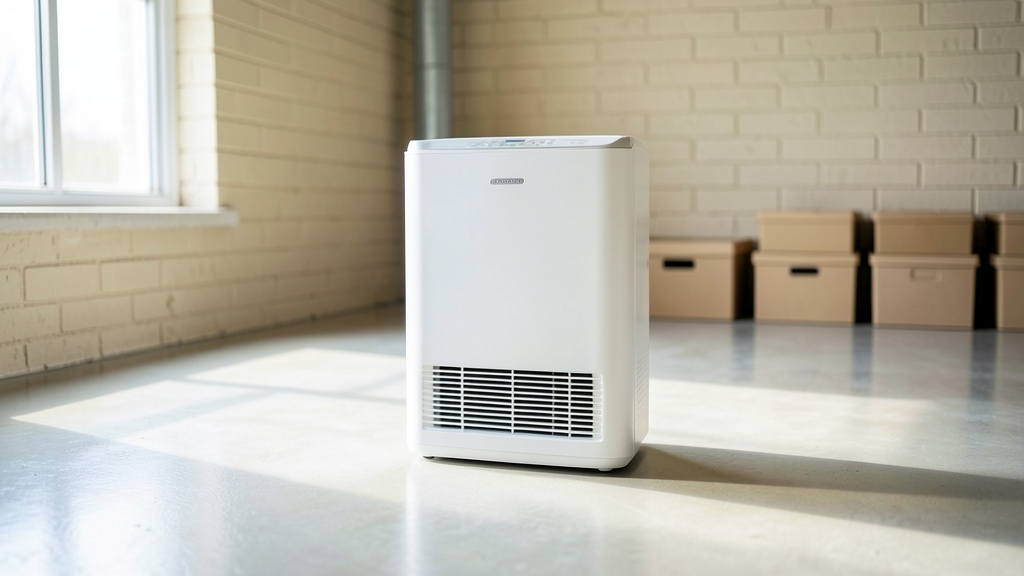
Large-scale mold infestations in Rockledge demand more than just removal—they require strategic containment to stop spores from spreading to clean areas. Without it, even the most thorough remediation can fail, turning a localized problem into a building-wide hazard. We’ve seen firsthand how proper containment protects both health and property.
What Containment Actually Does in Mold Remediation
Containment creates a physical barrier between the mold-affected zone and the rest of the structure. This isn’t just plastic sheeting—it’s a engineered system using 6-mil polyethylene, sealed seams, and negative air pressure to trap spores at the source.
In Rockledge’s humid climate, spores travel fast. Without containment, they hitch rides on airflow, HVAC systems, or even foot traffic, reinfesting areas you’ve already cleaned. We use HEPA-filtered air scrubbers to capture airborne particles within the contained space.
Critical Containment vs. Limited Containment: Key Differences
Not all containment is equal. Critical containment is for severe, high-risk infestations—think entire basements, crawl spaces, or commercial buildings. Limited containment suits smaller, isolated areas like a single bathroom or closet.
| Feature | Critical Containment | Limited Containment |
|---|---|---|
| Scope | Large areas (50+ sq ft), HVAC involvement, or high spore counts | Small, isolated areas (<10 sq ft) |
| Barrier Material | 6-mil polyethylene with double-layer sealing | Single-layer 6-mil polyethylene |
| Air Pressure | Negative air pressure with HEPA air scrubbers | Natural or minimal airflow control |
| Entry/Exit | Decontamination chamber or airlock | Basic zippered entry |
| PPE Requirements | Full-face respirators, disposable suits, gloves, booties | N95 respirators, gloves, basic coveralls |
| Use Case | Attic mold remediation, commercial spaces, water damage restoration | Mold testing follow-ups, minor drywall patches |
How Rockledge’s Climate Amplifies the Need for Containment
Florida’s humidity and frequent storms create ideal conditions for mold growth. In Rockledge, moisture lingers in walls, crawl spaces, and attics long after a leak or flood. Without containment, remediation efforts can inadvertently aerosolize spores, spreading them to previously unaffected areas.
Neighboring areas like Cocoa, Melbourne, and Viera face the same challenges. We’ve responded to calls where DIY attempts or incomplete containment led to cross-contamination in adjacent rooms—or even next-door units in multi-family buildings.
Improperly sealed barriers or missing negative air pressure can worsen spore dispersal. Always rely on trained professionals for large-scale projects.
The Role of Negative Air Pressure and HEPA Filtration
Negative air pressure ensures that air flows *into* the contained area, not out. This prevents spores from escaping through gaps or during entry/exit. We pair this with HEPA air scrubbers to filter 99.97% of particles as small as 0.3 microns.
For attic mold remediation or crawl space projects, we often deploy multiple air scrubbers to maintain pressure differentials. This is especially critical in older homes in Rockledge, where HVAC systems may lack modern filtration.
Containment in Specialized Areas: Attics, Crawl Spaces, and Commercial Buildings
Attics and crawl spaces are high-risk zones. Their confined, poorly ventilated nature traps moisture and spores. We use full critical containment here, including decontamination chambers to prevent tracking spores into living spaces.
Commercial mold remediation in Rockledge or Merritt Island often involves open floor plans or shared HVAC systems. Here, containment must extend to ductwork and adjacent units to avoid business disruptions or liability issues.
Containment Checklist for Large-Scale Projects
- Seal all entry/exit points with 6-mil polyethylene and tape
- Install HEPA air scrubbers to maintain negative pressure
- Create a decontamination chamber or airlock for PPE changes
- Use double-layer barriers for high-risk areas (e.g., black mold)
- Monitor air pressure differentials with manometers
- Inspect barriers daily for tears or gaps
PPE and Worker Safety Inside Containment Zones
Containment isn’t just about spores—it’s about protecting our team. Full-face respirators with organic vapor cartridges, Tyvek suits, and booties are standard. In critical containment, we add powered air-purifying respirators (PAPRs) for extended exposure.
Disposable PPE is discarded in sealed bags *inside* the containment area to avoid cross-contamination. This protocol is non-negotiable, whether we’re working in a Viera home or a Cocoa Beach commercial property.
Never remove PPE outside the decontamination chamber. Even a single spore on a boot can reignite an infestation.
Common Containment Mistakes That Derail Remediation
One of the biggest errors? Skipping the decontamination chamber. Workers entering and exiting without proper PPE changes can spread spores throughout the building. We’ve corrected this in multiple Rockledge projects where initial efforts failed.
Another issue: relying on single-layer barriers for large or high-spore-count areas. Tears or poor sealing render them useless. Always match the containment level to the infestation severity.
Post-Remediation Verification: Ensuring Containment Worked
Containment is only as good as the verification that follows. We conduct post-remediation air quality testing and surface sampling to confirm spore levels are within normal ranges. This step is critical before reoccupying the space.
In Rockledge, we often coordinate with third-party mold testing services to provide unbiased results. This is especially important for commercial clients or real estate transactions in areas like Melbourne or Cocoa.
How to Set Up Critical Containment for Mold Remediation
Follow these steps to establish a secure containment zone for large-scale mold projects.
- 1Assess the Infestation
Determine the scope and spore count to decide between limited or critical containment. Use a moisture meter and borescope to identify hidden mold in walls or crawl spaces.
- 2Seal the Area
Install 6-mil polyethylene sheeting over all openings, doors, and HVAC vents. Use tape designed for mold remediation to ensure airtight seams.
- 3Create Negative Air Pressure
Position HEPA air scrubbers to pull air *into* the contained area. Use a manometer to confirm a pressure differential of at least -0.02 inches of water.
- 4Build a Decontamination Chamber
Set up a two-stage airlock: a “dirty” side for removing PPE and a “clean” side for donning fresh gear. This prevents spores from hitching a ride on clothing.
- 5Don PPE and Begin Remediation
Enter through the decontamination chamber wearing full PPE. Remove moldy materials in sealed bags and apply antimicrobial treatments to surfaces.
- 6Monitor and Maintain
Check barriers and air pressure daily. Replace any torn sheeting immediately and empty air scrubber filters as needed.
Frequently Asked Questions
How long does containment need to stay in place during mold remediation in Rockledge?
Containment remains until remediation is complete and post-clearance testing confirms spore levels are safe. For large projects, this can take 3–7 days, depending on the infestation size and drying time after moisture control measures.
Can I stay in my home during mold remediation with containment?
For limited containment in small areas, you may be able to stay. However, critical containment projects—common in attics, crawl spaces, or commercial buildings—often require temporary relocation due to noise, dust, and safety protocols.
Does containment work for black mold (Stachybotrys)?
Yes, but black mold demands critical containment due to its toxicity. We use double-layer barriers, full PPE, and rigorous air filtration to prevent exposure. Never attempt DIY removal for Stachybotrys.
What’s the difference between containment for mold vs. asbestos?
While both use sealed barriers, asbestos containment often requires even stricter protocols, like full enclosures and dedicated decontamination showers. Mold containment focuses more on airflow control and HEPA filtration to capture spores.
Do you offer containment for water damage restoration in Rockledge?
Absolutely. Water damage and mold go hand-in-hand in Florida. We integrate containment into water damage restoration to prevent secondary mold growth, especially in areas like Cocoa Beach or Viera where flooding is common.
How much does containment add to the cost of mold remediation?
Costs vary based on project size, containment level, and equipment needs. Critical containment for large or commercial spaces requires more materials and labor. For an accurate estimate, request a quote—we’ll assess your specific situation.